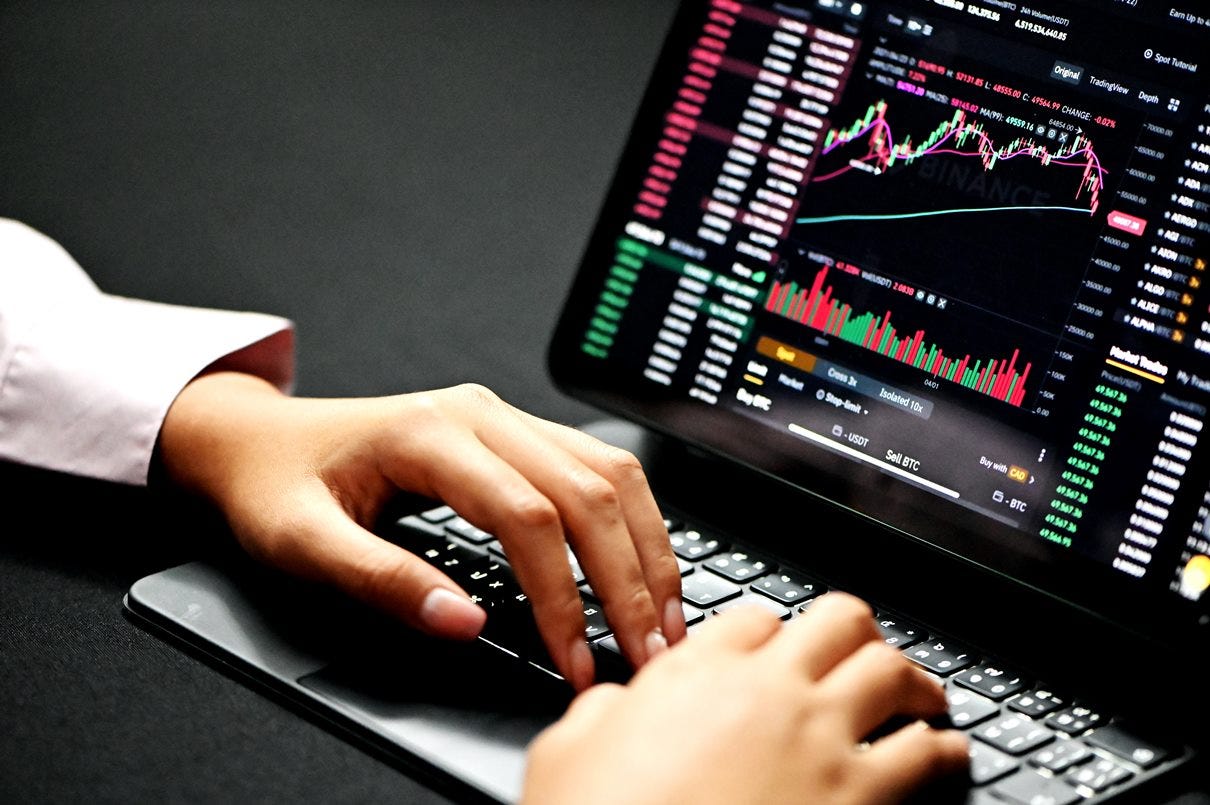

Forex trading is a popular activity in the Netherlands, with a growing number of retail traders in the country participating in the forex market. With a highly developed financial sector, Dutch traders have the privilege of trading in an efficient and secure environment. In fact, according to a survey conducted by the Dutch financial regulator AFM, there is a higher percentage of Dutch forex traders than the average across the European Union. Forex trading (forex handelen) also appeared to be one of the most popular asset classes for Dutch traders to invest in and trade.
With the number of traders increasing each year in the Netherlands, it is not surprising that new joiners or novice traders make up a big portion of it. If you are a Dutch trader and you want to learn more about how the forex market works and how to start trading, below are some of the most common questions about forex trading, answered.
Who runs the forex market?
One of the most common questions that traders have about the forex market is who runs it. The answer is that the forex market is global and the largest financial market in the world, with trillions of dollars being traded every day. No single entity runs or controls it. In fact, price movements in the markets are moved by market participants such as central banks, commercial banks, financial institutions, institutional and retail traders, businesses and travellers that exchange currency, and more.
While it is true that large financial institutions can create a bigger impact on the market, the sheer amount of activity in the market makes it difficult for any entity to assert any high level of influence on market movements.
However, central banks can intervene in the forex market to influence the exchange rate of their native currency if required, such as in times of economic recessions or hyperinflation. They can do this by directly intervening with the supply and demand of their currency market by selling or buying it. They can also adjust interest rate policies, which can impact the performance of a currency’s exchange rate against other currencies.
Who regulates the forex market?
The forex market operates globally, and there is no single regulator that oversees all the trading activity that goes on worldwide. Instead, forex traders are compliant with regulations set by central banks and financial authorities in the region they are in. For example, in the Netherlands, forex traders must be compliant with rules set by the AFM, and forex brokers must be licensed by the AFM to operate legally in the country.
When is the forex market open?
The forex market is said to be open twenty-four hours a day, five days a week. It is closed to retail traders on weekends. This is because the forex market consists of sessions that overlap, and traders around the world can participate in any session they wish regardless of their location. The first session – the Sydney session – begins on Monday morning local time in Australia. Each session runs from the morning to the afternoon of the same day, but as mentioned, sessions overlap. The last session – the New York session – closes on Friday afternoon EST.
What drives price movements in the forex market?
Forex price movements are driven by supply and demand. Some factors that can affect the supply and demand of currencies are interest rate policies, global economic health, trade terms, political events, and natural disasters. When there is a high demand for a currency but a low supply of it, the currency will appreciate. Conversely, when there is a low demand for a currency but a high supply of it, the currency will depreciate.

Some currencies, such as the Australian dollar, can also be significantly affected by price movements of commodities. This is because Australia is a key exporter of many agricultural products such as beef and metals such as gold. When trade is going well, and the prices of the commodities are high, it can lead to the Australian dollar appreciating.
What are some common forex trading strategies?
Common forex trading strategies including the traditional buying and selling of currency pairs over different periods of time, such as swing trading, position trading, and scalping. Traders buy a currency when it is set to appreciate so they can sell it back to the market at a higher price and pocket the difference. Strategies based on technical analysis also exist, including breakout trading, which requires the analysis of support and resistance levels on price charts. If you are interested in learning more about forex trading strategies, you should make sure you read an in-depth guide on how you can start trading.
How much money is required to start trading forex?
There is no set amount of money required to start trading forex. It depends on the type of trading goals and risk appetite you have. For many traders, starting with a small amount of capital is a great way to test the waters. They can increase the size of their positions later with more capital or with the use of leverage, which is a way for them to control a larger position with a small amount of funds.
Bottom line
Forex trading can be complex, and as more and more Dutch traders join the market, it is essential that they understand how it works and the strategies they can use. They should also be aware of market risks in forex trading, and they should understand that there is no guarantee of profits in the world of investment. Therefore, it is always advisable to do as much research as you can on the currency pair you want to trade, and to make sure that you understand what drives the price movements of forex.