Diamond Color Guide: How to Choose the Right Shade for Your Lab Grown Diamond

Color is one of the first things you notice when you look at a diamond. It affects how the stone reflects light and how it appears on your hand. If you are buying a diamond you need to understand how color works before you compare prices or designs.
Diamonds come in two broad color groups. The first group includes near colorless stones that range from completely colorless to light yellow or brown. The second group includes fancy colors such as pink blue green and intense yellow. Both natural and lab grown stones follow this system.
When you explore colores de diamantes lab diamonds you will see that laboratory diamonds are graded using the same color standards as mined stones. The process is not different. What matters is how much color is present and how evenly it is distributed.
The Standard Color Scale
Most diamonds used in engagement rings fall within the D to Z scale. D represents a colorless diamond. As you move down the alphabet you begin to see slight hints of yellow or brown. By the time you reach the end of the scale the color becomes obvious.
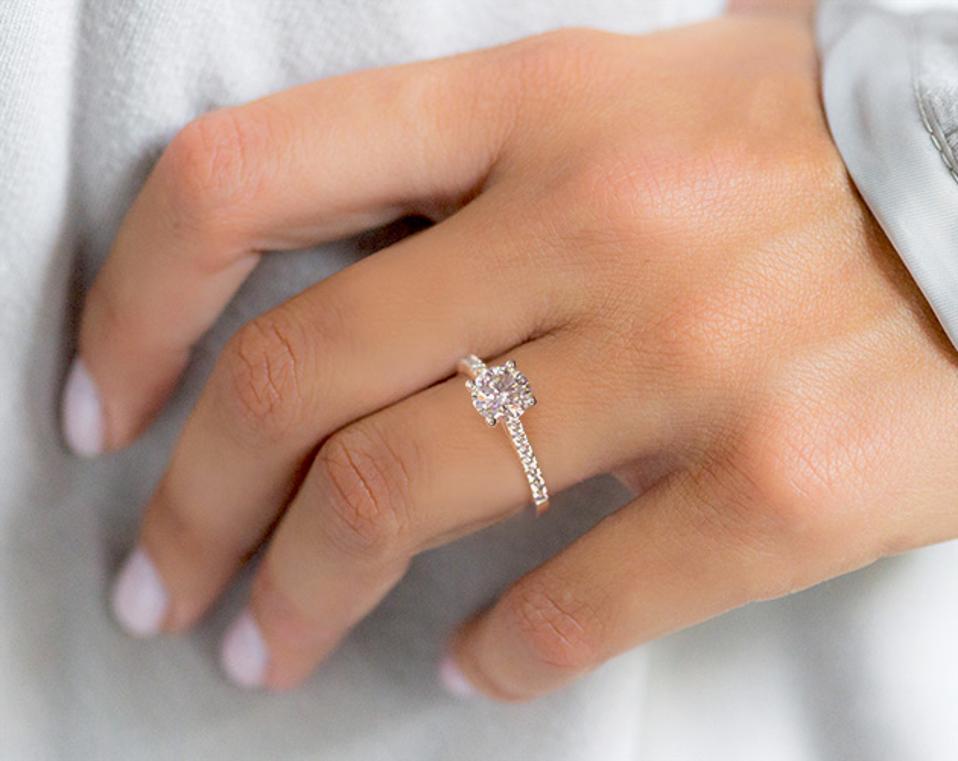
If you want a bright white appearance focus on grades D through H. These diamonds look colorless to the untrained eye once set in a ring. From I to J you may see a faint warmth especially in larger stones. From K onward the yellow tone becomes easier to detect.
You do not need to chase the highest grade unless you value absolute colorlessness. Instead look at the diamond in person. Compare two grades side by side. You will often find that the difference between D and F is hard to see but the price gap is noticeable.
How Lighting Affects What You See
Color is not fixed in your perception. It changes depending on lighting. Under bright white store lights a diamond may appear whiter. Under warm indoor light the same stone may show more warmth.
Before you decide ask to see the diamond in different lighting conditions. Step near a window. Hold it under soft indoor light. Look at it against a neutral background. Your daily environment matters more than the store spotlight.
If you are buying online request clear images and video in neutral lighting. Ask for the grading report. This protects you from relying only on edited photos.
Fancy Colored Diamonds
Fancy diamonds are graded differently. Instead of following the D to Z scale they are evaluated based on hue tone and saturation. The deeper and more vivid the color the more valuable the stone usually becomes.
Yellow is the most common fancy color. Pink and blue are rarer. Green and orange also exist but are less frequently seen in jewelry stores. Lab technology has made it possible to create many of these colors with controlled processes.
When reviewing colores de diamantes lab diamonds in the fancy category you should pay attention to color intensity. Terms like Fancy Light Fancy Intense and Fancy Vivid indicate how strong the color appears. A vivid stone will look richer and more saturated than a light one.
You should also check if the color is natural to the growth process or if it was enhanced after creation. Some lab diamonds are treated with heat or irradiation to achieve certain colors. Treatment does not mean poor quality but you need full disclosure before buying.
Choosing the Right Color for Your Setting
The metal of your ring affects how diamond color appears. White gold and platinum highlight brightness and can make a slightly warm diamond look whiter. Yellow gold can make lower color grades blend in more easily.
If you choose a yellow gold setting you can often select a slightly lower color grade and still achieve a balanced look. This may help you allocate more budget toward size or cut quality.
For halo or side stone designs match the center stone carefully. If the center is a G grade and the side stones are D grade you may notice contrast. Work with a jeweler who understands color matching.
Cut and Color Interaction
Cut quality influences how noticeable color becomes. A well cut diamond reflects more light back to your eye. This brilliance can mask minor color differences.
If you are deciding between a higher color grade and a better cut choose cut first. A poorly cut D color diamond may look dull. A well cut H color diamond can appear bright and lively.
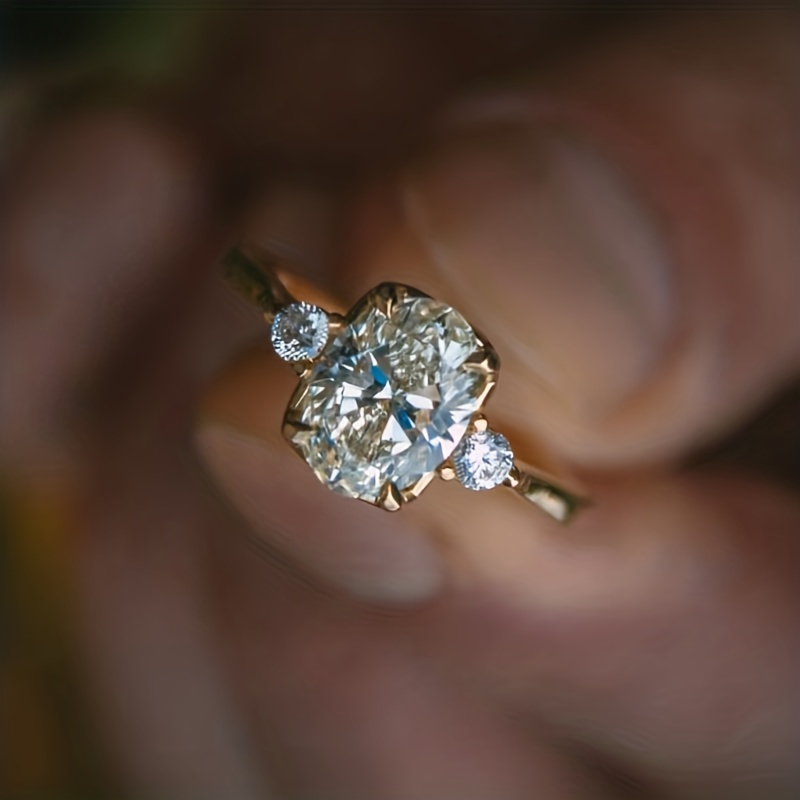
Shape also matters. Round diamonds tend to hide color better than elongated shapes like oval or pear. If you prefer an oval consider staying within a slightly higher color range to avoid visible warmth near the tips.
Budget Strategy
Set your budget before you fall in love with a specific stone. Then decide how important color is to you compared to size and clarity.
If your priority is a larger stone you can move slightly down the color scale without sacrificing visible beauty. Many buyers are satisfied within the G to I range especially in round shapes.
If you want a crisp icy appearance stay within D to F. Understand that the visual difference between adjacent grades is subtle. Do not pay for a grade you cannot see.
Certification and Trust
Always request a grading report from a recognized laboratory. This applies to both mined and lab grown diamonds. The report will list color grade clearly along with cut clarity and carat weight.
For colores de diamantes lab diamonds certification is just as important. It confirms that the color grade was evaluated using standard methods. It also states whether the color is natural or treated.
Read the report carefully. Check that the laser inscription on the diamond matches the certificate number if available. This step protects your purchase.
Maintenance and Long Term Appearance
Diamond color does not fade under normal wear. However dirt and oil can affect how bright the stone looks. Clean your diamond regularly with warm water mild soap and a soft brush.
Avoid harsh chemicals. Remove your ring during heavy manual tasks. Routine care keeps the stone looking closer to its graded appearance.
If you own a fancy colored diamond store it separately from other jewelry. Although diamonds are hard they can scratch one another.
Making Your Final Decision
Do not rely only on technical grades. Look at the diamond with your own eyes. Ask yourself if you notice warmth. Ask yourself if the color complements your skin tone and your chosen metal.
Take your time. Compare at least three stones within your target range. View them side by side. Small differences become clearer when you compare directly.
Remember that color is only one part of the overall look. Cut clarity carat weight and design all interact. A balanced choice often gives better results than chasing a single perfect grade.
If you are buying for an engagement ring involve your partner when possible. Personal taste varies. Some people prefer the bright white look of higher grades. Others appreciate a subtle warmth especially in vintage inspired designs.
Practical Checklist Before You Buy
- Decide your budget.
- Choose your preferred shape.
- Select your metal.
- Narrow your color range based on shape and metal.
- Compare stones in person or through detailed video.
- Verify certification.
- Confirm whether any color treatment was used.
This process keeps your decision structured and focused. It prevents impulse buying and helps you evaluate each factor calmly.
Understanding color gives you control. You do not need to be an expert to make a strong choice. You need clear information and direct comparison.
When you approach colores de diamantes lab diamonds with this mindset you reduce confusion. You see how grading works. You see how lighting and setting influence perception. Most important you choose a diamond that looks right to you in real life not only on paper.