A lab diamond bracelet offers you style, quality and a diamond aesthetic, but with diamonds grown in a controlled lab environment. But for most buyers the dilemma is not over whether the piece looks good, it is over whether the stones, setting, metal, size and construction is worth the price.
They also have to deal with movement in a different way than rings or earrings; they lay against your wrist, rub against clothing and can move against desks and other surfaces.
A better purchasing decision starts by understanding the elements that play a part in the ways the bracelet looks and wears.
Start With the Bracelet Style
The first decision is the styles of the bracelets. Different designs can use the same type of diamonds, but feel very different.
A tennis bracelet uses a continuous row of diamonds around most or all of the bracelet, which creates a visual line of the stones and often puts more emphasis on total diamond weight.
Station bracelets use individual diamonds along a chain, which uses fewer stones and often feel lighter.
Bangle styles use a more rigid structure, and diamonds may cover part of the surface over rather than running a full bracelet.
You should choose the structure before you assess diamond specifications, as the design change what each stone contributes to the overall appearance.
For example, a tennis bracelet with many small stones depends on consistency. One stone with a noticeably different color or brightness can interrupt the visual line.
Understand What Lab Grown Means
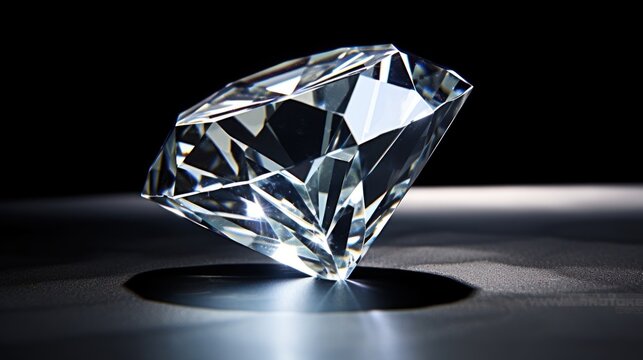
Man made diamonds are diamonds produced through technological processes rather than being extracted from the earth, and they retain the same basic carbon crystal structure associated with diamonds.
It is important to distinguish from materials such as cubic zirconia or moissanite, which are different gemstones rather than laboratory-grown diamonds.
When shopping look at how clearly the seller identifies the stones. Documentation should normally tell you if the diamonds are lab grown and provide useful details about their quality.
Documentation can become more important when individual stones are larger. Very small diamonds used throughout a bracelet may not have individual grading reports.
Pay Attention to Cut Before Size
Buyers often focus first on carat weight. Carat is about weight, not how bright a diamond will appear.
Cut quality determines how effective a diamond is at handling light, and with bracelets that contain many small stones, matching also matters. A row of well-matched diamonds often looks more balanced than a bracelet where the stone quality changes noticeably one section to another.
When reviewing a lab diamond bracelet, look beyond the total carat number.
Check whether the product description gives you information about:
- Diamond shape
- Total carat weight
- Size of the individual stones approximately
- Color range
- Clarity range
- Setting style
A five-carat bracelet does not automatically give you larger-looking stones than every three-carat bracelet. Length, stone count, setting dimensions and design can change how the weight is distributed.
Choose Diamond Color With the Metal in Mind
Diamond color is graded based upon the amount of visible body color a stone displays under controlled grading conditions.
You do not always need the highest available color grade for a bracelet. Small diamonds viewed from normal wrist distance can be more difficult to notice grade differences on.
Metal choice can also impact the way you perceive the stones.
White gold and platinum create a pale background around the diamonds, as compared to yellow gold, which adds a warmer surrounding color, and rose gold, which has a pink tone.
Rather than buying a color grade based on a letter, look at how the complete bracelet appears.
If you are comparing two options online, look at photographs taken from several angles rather than relying only on close-up product images.
Clarity Works Differently in Small Bracelet Diamonds
Clarity describes internal and external characteristics found in a diamond.
For small stones, extremely high clarity grades may not offer you any visible differences to you during normal wear, and the key question is whether inclusions are noticeable without magnification and whether the stones look consistent across the bracelet.
It makes practical comparison useful.
If two bracelets have similar cut, color, construction and stone size, but one carries a much higher clarity grade, compare what you can actually see before paying for the grade difference.
Larger center stones or larger individual diamonds require closer inspection, as inclusions can start becoming easier to notice as the stone size increases.
Check the Setting Carefully
The setting holds every diamond in place, making it one of the most important parts of bracelet construction.
Prong settings expose more of each diamond, and they can allow you plenty of light around the stones, but they depend on secure and well-made prongs.
Bezel settings surround more of the diamond with metal, and they can offer you additional protection around the stone, but they create a different visual effect.
Other bracelets may use shared prongs or close links.
Whatever style you choose, look at how evenly the stones sit. The diamonds should not appear tilted at random angles and the links should move smoothly where flexibility is intended.
For a tennis bracelet, also inspect the connection between each setting. A bracelet that feels stiff in places may not sit naturally around the wrist.
Do Not Ignore the Clasp
The clasp receives much less attention than the diamonds, but it plays a major role in everyday use.
A bracelet can contain well-selected stones but become frustrating if the clasp is difficult to operate or feels insecure.
Look for a closing system appropriate to the bracelet’s weight. Some designs include an additional safety latch or security mechanism.
Think about how you will actually put the bracelet on. If you normally dress without assistance, a complicated closure can become inconvenient even if it looks neat when closed.
Get the Length Right
A bracelet should have enough room to be able to move slightly, without sliding too far along your hand.
Measure your wrist before ordering. Do not assume a standard bracelet length will fit you appropriately.
Wrap a flexible measuring tape around the part of your wrist where you expect the bracelet to sit. If you do not have a measuring tape use a piece of string and measure it against a ruler.
Then check the seller’s sizing guidance.
Your preferred fit matters too. Some people like a close fit. Others want more movement.
A loose tennis bracelet may turn frequently and can catch more easily on surrounding objects. One that is too tight may be uncomfortable when you bend your wrist.
Choose a Metal for How You Wear Jewelry
The metal impacts appearance, maintenance, weight and how the bracelet feels.
Common options are white gold, yellow gold, rose gold and platinum.
Gold jewelry is usually offered in different purity levels. Higher gold content does not automatically make a bracelet the best option for every wearer, as alloy composition affects strength and color.
Platinum is another option for diamond jewelry, with its own weight and wear characteristics.
Consider what you already wear. If most of your jewelry is yellow gold, choosing the same metal can make a bracelet easier to combine with your existing pieces.
If you plan to wear the bracelet frequently also think about how the metal and surface finish may respond to normal contact and scratches.
Compare Total Carat Weight Properly
Bracelet listings often show total carat weight rather than one stone’s weight.
This can create confusion.
A bracelet listed at four carats may contain dozens of diamonds whose combined weight reaches four carats, and another four-carat design may use fewer but larger stones.
The two bracelets can look noticeably different, even though the total weight is the same.
Ask how many stones are included or look for this information in the specifications as well. That gives you a better idea of individual diamond size.
Bracelet length also matters; the same total diamond weight spread across a longer bracelet can produce a different look to the weight used on a shorter design.
Think About How Often You Will Wear It
Your use case should influence your choice.
For frequent wear to focus on secure construction, practical sizing, a reliable clasp and settings that suit your routine.
For occasional wear you may place more importance on stone size or a particular design.
A lab diamond bracelet worn several times a week will be coming into contact with sleeves, tabletops, handbags and other objects. Inspecting the setting and clasp from time to time can help you notice looseness before a stone is lost.
You should also make sure to keep the bracelet separate from harder jewelry when storing it. Individual pieces rubbing together can create unnecessary surface wear.
Compare the Whole Bracelet Instead of One Grade
There is rarely one specification that tells you if a bracelet is the right choice.
You need to evaluate how the features work together.
A useful comparison includes:
- Overall design
- Diamond size and matching
- Cut and visible brightness
- Color and clarity ranges
- Metal type
- Setting quality
- Bracelet length
- Clasp construction
- Product documentation
This also makes price comparisons more meaningful.
Two bracelets may look similar in a product image but use different diamond weights, metal amounts, settings or quality ranges. Compare specifications before deciding that one price is lower for the same type of piece.
Questions to Ask Before Buying
Before placing an order, make sure you can answer a few practical questions.
- How long is the bracelet?
- What is the total carat weight?
- How many diamonds does it contain?
- What color and clarity ranges are listed?
- Which metal and purity are used?
- What type of clasp does it have?
- Can the bracelet length be adjusted?
- What documentation comes with the jewelry?
Clear answers reduce the possibility of receiving a piece that looks different from what you wanted.
FAQ
Is a lab diamond bracelet suitable for regular wear?
It can be. The diamonds themselves are hard but regular wear is dependent on the setting, links, clasp and metal. Choose solid construction and check the bracelet periodically if you wear it often.
Should I choose carat weight or diamond quality first?
Start with the appearance and construction you want. Then compare carat weight alongside cut, color, clarity, stone count and bracelet length. Total carat weight alone does not show how the bracelet will look.
How should a diamond bracelet fit?
Normally have enough room for comfortable movement, without sliding excessively toward your hand. Measure your wrist and compare it with the bracelet’s actual length rather than relying only on a standard size.