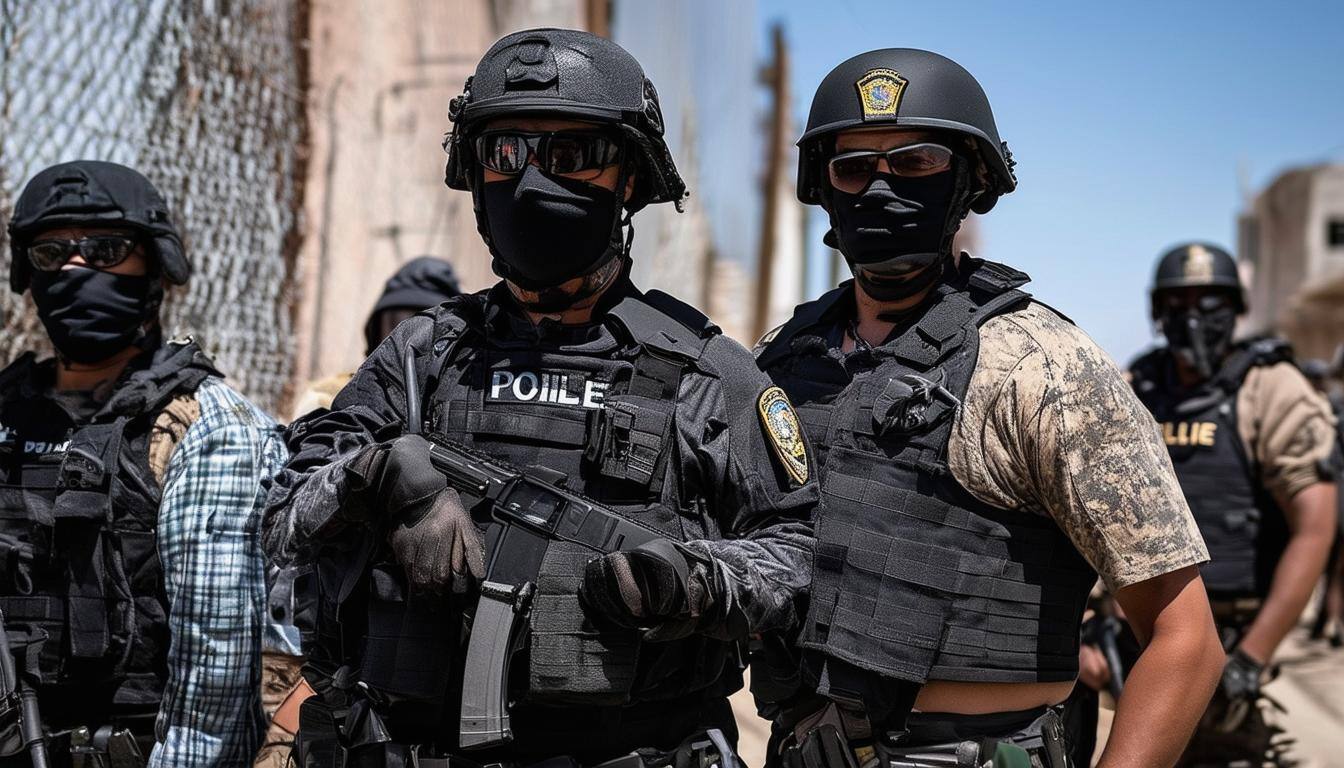

Organized crime has been a significant issue across the globe, impacting everything from the economy to public safety. Governments, law enforcement agencies, and legal systems must remain vigilant and responsive in their efforts to combat this complex and ever-evolving threat. Understanding the relationship between law and order and organized crime is crucial to building a society that is both safe and just.
What Is Organized Crime?
Organized crime refers to criminal activities that are carried out by criminal organizations. These groups typically operate on a large scale and engage in illegal enterprises for financial gain. Organized crime can involve a range of illegal activities, such as:
- Drug trafficking
- Human trafficking
- Money laundering
- Arms smuggling
- Illegal gambling
- Cybercrime
Unlike street-level crime, organized crime is usually characterized by its hierarchical structure, secretive operations, and long-term strategic planning. Criminal organizations often have vast networks that cross borders and involve high levels of coordination and influence.
The Role of Law Enforcement in Combating Organized Crime
The fight against organized crime requires specialized law enforcement strategies, as traditional policing methods may not be sufficient. Some of the key elements in combatting organized crime include:
1. Intelligence Gathering
Organized crime groups are highly secretive, often using encrypted communications, hidden meetings, and coded messages to avoid detection. To dismantle these networks, law enforcement agencies must gather intelligence through various means. This can include wiretapping, surveillance, undercover operations, and working with informants.
2. Cooperation Across Jurisdictions
Organized crime often operates on an international scale, meaning that local law enforcement alone may not have the resources or jurisdiction to combat these groups. As a result, cooperation between different countries’ law enforcement agencies is essential. Organizations like Interpol, as well as regional alliances such as the European Union’s Europol, play a critical role in facilitating this cooperation.
3. Specialized Units
In many countries, law enforcement agencies have created specialized units to deal with organized crime. These units focus on specific aspects of criminal organizations, such as drug trafficking or money laundering. These officers often undergo specialized training to understand the complex nature of organized crime and are equipped with advanced tools and techniques to gather evidence and arrest offenders.
The Legal Framework for Combating Organized Crime
Effective laws are essential in dealing with organized crime. While many criminal acts fall under general criminal laws, specific legislation is often required to address the unique characteristics of organized criminal enterprises.
1. Racketeer Influenced and Corrupt Organizations Act (RICO)
In the United States, the Racketeer Influenced and Corrupt Organizations Act (RICO) is one of the most significant legal tools used in the fight against organized crime. RICO allows prosecutors to charge individuals involved in organized crime with a broader range of offenses, including conspiracy and corruption, even if they have not directly committed a crime themselves.
RICO was originally designed to combat mafia families and their operations but has since been used in cases involving drug cartels, street gangs, and corrupt businesses.
2. Money Laundering Regulations
Money laundering is a critical part of the success of organized crime, as it allows criminal enterprises to disguise the proceeds of their illegal activities. Laws and regulations targeting money laundering aim to disrupt the flow of illicit funds, making it more difficult for criminal organizations to profit from their activities.
International treaties and organizations, like the Financial Action Task Force (FATF), provide guidelines for national governments to implement anti-money laundering regulations and ensure financial institutions comply with reporting requirements.
3. Anti-Drug Laws
Drug trafficking is one of the most prevalent forms of organized crime globally. Governments enact strict anti-drug laws to reduce the production, distribution, and sale of illicit substances. Law enforcement agencies also work with global partners to intercept shipments of drugs and dismantle cartels.
However, the effectiveness of drug laws is often debated, with critics pointing to the issue of “the war on drugs” and its impact on marginalized communities. This debate highlights the complexity of law enforcement’s role in addressing organized crime while ensuring fairness and justice.
The Impact of Organized Crime on Society
Organized crime has far-reaching consequences that extend beyond the criminal justice system. Some of the most notable effects of organized crime include:
1. Economic Damage
Organized crime can harm economies by diverting funds away from legitimate business activities. Money laundering, for example, creates a shadow economy that can undermine financial markets. Moreover, criminal organizations often engage in tax evasion, thereby depriving governments of revenue that could otherwise be used for public services.
2. Public Safety Threats
Violence associated with organized crime, including gang wars and turf battles, can create unsafe living conditions for communities. The presence of criminal organizations also leads to an increase in drug addiction, human trafficking, and other social issues.
3. Political Corruption
In some cases, organized crime organizations infiltrate government systems, influencing politicians and law enforcement officials. This corruption undermines the rule of law and can make it difficult for authorities to effectively address criminal activities.
Challenges in the Fight Against Organized Crime
Despite significant efforts to curb organized crime, numerous challenges remain in the fight against it. These include:
1. Globalization
The increasing interconnectedness of countries and markets has made it easier for criminal organizations to operate across borders. Drug cartels, for example, may produce drugs in one country, smuggle them through several others, and sell them in yet another, complicating law enforcement efforts.
2. Technological Advancements
The rise of the internet and digital technologies has opened new avenues for organized crime. Cybercrime, including hacking, identity theft, and online fraud, is on the rise, and criminal organizations have adapted quickly to these new opportunities.
3. Corruption and Infiltration
In some regions, law enforcement and judicial systems are vulnerable to corruption. Organized crime groups often use bribery and threats to influence officials and evade prosecution. This makes it difficult for authorities to successfully prosecute individuals involved in organized crime.
The Future of Law and Order in the Fight Against Organized Crime
The fight against organized crime is ongoing, but law enforcement agencies, governments, and legal systems continue to adapt to new challenges. Moving forward, several strategies could help enhance the effectiveness of anti-organized crime efforts:
- International Cooperation: Strengthening international law enforcement cooperation will be key in dismantling transnational organized crime syndicates.
- Technological Tools: Law enforcement must continue to leverage technological advancements in surveillance, data analysis, and cybersecurity to combat the growing threat of cybercrime.
- Policy Reforms: Governments may need to reconsider current drug policies and explore alternative approaches, such as decriminalization or rehabilitation, to address issues like drug trafficking.
In conclusion, organized crime presents a complex and ever-changing challenge for law enforcement and legal systems worldwide. While progress has been made, continued collaboration, legal reform, and technological innovation will be necessary to ensure that law and order can prevail in the fight against these criminal organizations.