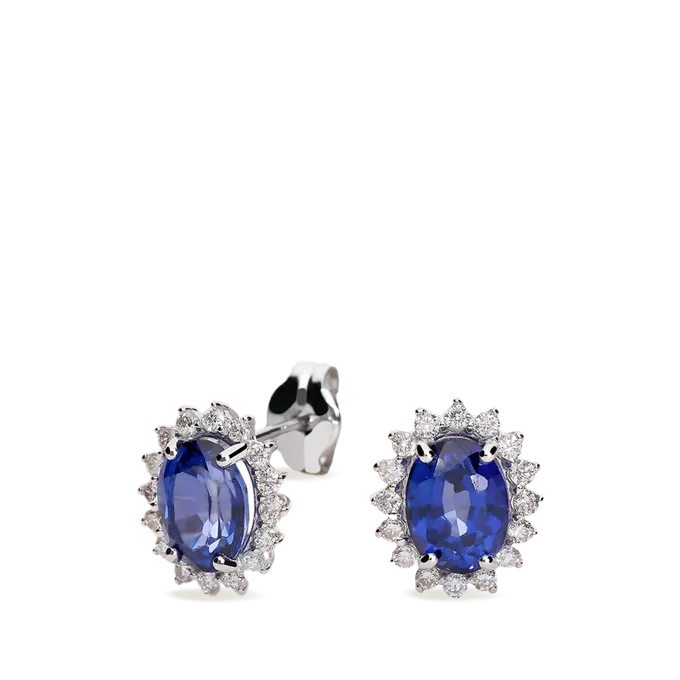
Diamonds, often described as nature’s masterpiece, captivate with their unparalleled brilliance and allure. Yet, beyond their innate beauty lies a meticulous craftsmanship that enhances their sparkle: the art of diamond cuts. From the classic round brilliant to the elaborate marquise, each cut is a testament to precision and expertise, transforming a rough gemstone into a dazzling jewel.
Origins and Evolution
The history of diamond cutting dates back centuries, evolving from rudimentary techniques to sophisticated modern practices. In the early stages, diamonds were polished by hand, emphasizing symmetry and proportions to maximize their light reflection. Over time, advancements in technology and understanding of optics allowed for the development of more complex cuts, each designed to optimize brilliance, fire, and scintillation—the three key elements of a diamond’s sparkle.
The Anatomy of Brilliance
A diamond’s brilliance is influenced by its cut, which refers not only to the shape but also to the arrangement and proportions of its facets. Here are some of the most iconic diamond cuts:
Round Brilliant: The quintessential diamond cut, known for its symmetrical shape and exceptional sparkle. Developed to maximize light return through its 58 facets, the round brilliant cut remains the benchmark of diamond brilliance.
Princess Cut: A square or rectangular cut with pointed corners, offering a modern alternative to the round brilliant. Its facets are designed to enhance both brilliance and fire.
Emerald Cut: Known for its step-cut facets and elongated shape, the emerald cut emphasizes clarity and showcases the diamond’s natural transparency.
Marquise Cut: Distinctive for its elongated oval shape with pointed ends, the marquise cut maximizes carat weight and creates an illusion of greater size.
Oval Cut: Combining the brilliance of a round diamond with a unique elongated shape, the oval cut offers a flattering silhouette that enhances finger length.
Cushion Cut: Featuring rounded corners and larger facets, the cushion cut combines vintage charm with exceptional sparkle, ideal for those seeking a romantic, antique look.
Each cut is crafted to balance the diamond’s carat weight with its optical properties, ensuring that light is refracted and reflected to create a mesmerizing play of colors and flashes—a phenomenon often referred to as “fire.”
Precision and Expertise
Creating a finely cut diamond demands precision and expertise. Modern technology, such as computer-aided design (CAD) and laser cutting, has revolutionized the industry, allowing for unparalleled accuracy and consistency in diamond cutting. Master cutters meticulously analyze rough diamonds to determine the optimal cut that will maximize beauty while minimizing waste—a delicate balance between artistry and science.
Beyond Beauty: Symbolism and Value
Beyond their aesthetic appeal, diamond cuts hold symbolic significance and cultural meaning. The round brilliant cut symbolizes timelessness and eternal love, making it a popular choice for engagement rings. Other cuts, such as the emerald cut, are favored for their understated elegance and sophistication.
In the realm of fine jewelry, the craftsmanship of diamond cutting contributes significantly to a diamond’s value. A well-cut diamond not only enhances its beauty but also maximizes its brilliance and perceived size, making it a coveted treasure for generations.
Conclusion
The art of diamond cuts transcends mere craftsmanship—it is a fusion of science, artistry, and cultural symbolism. Each cut tells a story of meticulous craftsmanship and timeless elegance, transforming a raw diamond into a radiant masterpiece. Whether adorning a ring, necklace, or earrings, man made diamonds cut to perfection continue to captivate and inspire, showcasing the brilliance that lies within each facet.


 Restaurant Chairs Wholesale: What Buyers Should Know
  Food Packaging Tubes: A Smart Choice for Modern Food Brands
  Costly Mistakes Indian Investors Make When Setting Up Investment Accounts
 Truck Loading Conveyor Manufacturers: Choosing Reliable Solutions for Efficient Material Handling
 Anonymous and Easy SOL Coin Mixing
 Moving With Pets? Here’s How to Keep Them Safe and Calm
 IGI vs. GIA Certification: Which One Is Better for Lab-Grown Diamonds?
 Buy Litecoin Australia With Safe Payment Options
 Top Reasons to Buy Silver Coins: A Smart Investment for Long-Term Wealth
 Lab-Grown Diamonds vs. Mined Diamonds: A definitive Correlation
 Wealth Management in Tennessee: Navigating Your Financial Future
 The Georgia Bulletin: Nurturing Faith and Community
 Hebrides News: A Snapshot of Island Life
 All About Diamond Carats: Size, Weight, and Value
 Lab-Grown Diamonds: Revolutionizing the Jewelry Industry
 Mastering the Basics: A Beginner’s Guide to the Share Market
 Trading Forex In The Netherlands – Common Questions Answered
 خرید ملک در ترکیه
 Understanding the Features of British Bitcoin Profit
 Here Is How You Can Fix A Water Heater Leak
 Reasons Why Small Businesses Should Rent a Storage Unit
 What the Dow Jones Today Means to Your Money
 Crypto Mining, Investment And Popularity
 Why Property Managers Are Switching to Swiftlane
 What Kind of Carpet Is Typical for the Hospitality Industry?
 How To Make the Most of Offshore Hosting Services
 Simple Ways To Make Your Startup More Professional
 Step-by-Step Office Relocation Checklist
 3 Ways To Lower Your Heating and Cooling Costs