Buying a diamond can feel exciting, but it can also be confusing. With so many shapes, sizes, and prices available, many shoppers wonder how to choose the right stone. That is where the 4Cs of diamonds come in. These four factors help determine a diamond’s beauty, quality, and value.
Whether you are shopping for an engagement ring, a special gift, or simply learning more about gemstones, understanding the 4Cs can help you make a smarter decision. Today, many buyers also compare natural stones with lab made diamonds, which follow the same grading standards and offer excellent value.
In this guide, you will learn what the 4Cs mean, why they matter, and how to balance them when choosing the perfect diamond.
What Are the 4Cs of Diamonds?
The 4Cs stand for:
-
Cut
-
Color
-
Clarity
-
Carat Weight
The Gemological Institute of America (GIA) created this grading system to help buyers compare diamonds fairly and consistently. Each “C” affects a diamond’s appearance and price in different ways.
Understanding how these factors work together is more important than focusing on just one feature.
Diamond Cut: The Key to Sparkle
Many people think a diamond’s shape and cut are the same thing, but they are different.
The shape refers to the diamond’s appearance, such as round, oval, or princess. The cut describes how well the diamond’s facets interact with light.
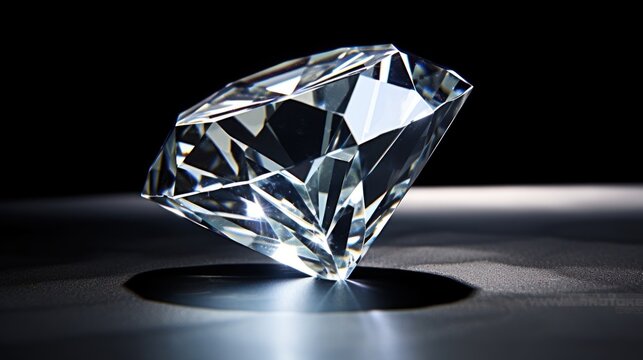
A well-cut diamond reflects light beautifully and creates sparkle. Even a high-quality stone can look dull if the cut is poor.
Why Cut Matters Most
Among the 4Cs, cut often has the biggest impact on beauty. A properly cut diamond will:
-
Reflect more light
-
Look brighter and more lively
-
Appear larger than it actually is
-
Hide small flaws better
Common Cut Grades
Diamond cut grades usually include:
-
Excellent
-
Very Good
-
Good
-
Fair
-
Poor
If sparkle is your priority, aim for an Excellent or Very Good cut whenever possible.
Diamond Color: Less Color Means Higher Value
Diamond color measures how colorless a diamond appears. Most white diamonds are graded on a scale from D to Z.
-
D-F: Colorless
-
G-J: Near Colorless
-
K-M: Faint Color
-
N-Z: Noticeable Color
Colorless diamonds are rarer and usually more expensive. However, many near-colorless diamonds look almost identical to the average buyer once placed in jewelry.
Choosing the Right Color Grade
For great value, many experts recommend staying within the G-H range. These diamonds appear bright and white without the premium price of completely colorless stones.
The setting also affects how color appears. For example:
-
White gold and platinum highlight color more clearly
-
Yellow gold can make slight color less noticeable
Clarity: Understanding Natural Imperfections
Almost every diamond contains tiny internal marks called inclusions and external marks called blemishes. Clarity measures how visible these imperfections are.
Most flaws are microscopic and cannot be seen without magnification.
Diamond Clarity Grades
Common clarity grades include:
-
FL (Flawless)
-
IF (Internally Flawless)
-
VVS1-VVS2 (Very Very Slightly Included)
-
VS1-VS2 (Very Slightly Included)
-
SI1-SI2 (Slightly Included)
-
I1-I3 (Included)
Do You Need a Flawless Diamond?
Not necessarily.
Many VS and SI diamonds look completely clean to the naked eye. Choosing an “eye-clean” diamond instead of a flawless one can save a significant amount of money.
In most cases, cut quality affects appearance more than clarity.
Carat Weight: Size Isn’t Everything
Carat measures a diamond’s weight, not its visible size. One carat equals 200 milligrams.
Larger diamonds are rarer, which is why price increases quickly as carat weight rises.
How Carat Affects Appearance
Two diamonds with the same carat weight can look different depending on:
-
Cut quality
-
Shape
-
Depth and proportions
For example, oval and pear-shaped diamonds often appear larger than round diamonds of equal weight.
Smart Carat Buying Tips
If you want better value, consider buying slightly below popular weight milestones.
For example:
-
0.90 carat instead of 1.00
-
1.80 instead of 2.00
The visual difference is usually small, but the price savings can be substantial.
How the 4Cs Work Together
The most beautiful diamond is not always the biggest or the most expensive. The 4Cs work together to create overall beauty and value.
For example:
-
A smaller diamond with an excellent cut may sparkle more than a larger poorly cut stone
-
A near-colorless diamond can look just as stunning as a colorless one in certain settings
-
Slight inclusions may never be visible without magnification
Instead of chasing perfection in every category, focus on balance.
Choosing Between Natural and Lab Made Diamonds
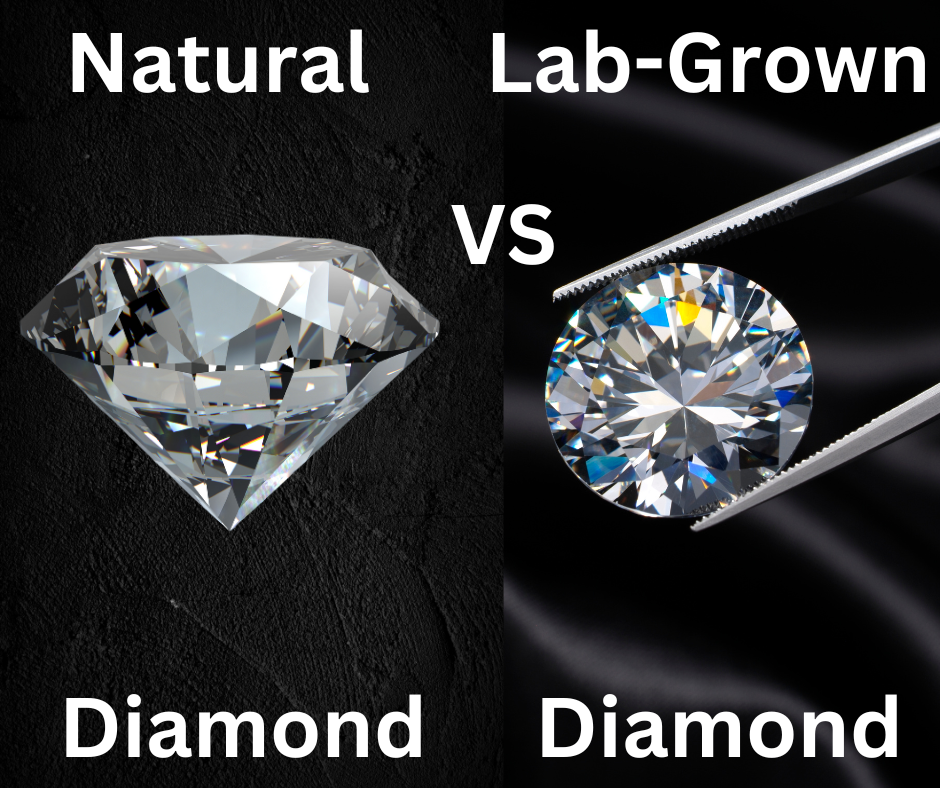
Today, many buyers consider lab made diamonds alongside natural diamonds. These diamonds are created in advanced laboratories using technology that replicates natural diamond formation.
Chemically and visually, they are almost identical to mined diamonds.
Benefits of Lab Made Diamonds
Many shoppers choose lab made diamonds because they often offer:
-
Lower prices
-
Larger sizes for the same budget
-
Reduced environmental impact
-
Excellent quality options
Importantly, the same 4Cs grading system applies to both natural and laboratory-grown stones.
This means you can evaluate cut, color, clarity, and carat in exactly the same way.
Tips for Buying a Diamond with Confidence
Buying a diamond becomes much easier when you understand your priorities.
Focus on Cut First
If brilliance matters most to you, prioritize cut quality over size.
Don’t Overpay for Invisible Differences
Small upgrades in clarity or color may not be noticeable in everyday wear.
Set a Realistic Budget
Decide which features matter most before shopping.
Ask for Certification
Always choose diamonds certified by respected labs like GIA or IGI.
Compare Several Stones
Seeing multiple diamonds side by side helps you notice differences more clearly.
Best Diamond Shapes for Different Styles
Different shapes highlight the 4Cs in unique ways.
Round Brilliant
-
Maximum sparkle
-
Most popular shape
-
Usually the most expensive
Oval
-
Elegant and modern
-
Appears larger than round diamonds
-
Great finger coverage
Princess Cut
-
Sharp square shape
-
Modern appearance
-
Excellent brilliance
Cushion Cut
-
Soft corners and vintage feel
-
Romantic appearance
-
Hides inclusions well
Emerald Cut
-
Sleek and sophisticated
-
Highlights clarity more than sparkle
-
Requires better clarity grades
Common Diamond Buying Mistakes to Avoid
Many buyers make decisions based only on carat weight. However, this can lead to disappointment if sparkle and overall beauty suffer.
Other mistakes include:
-
Ignoring cut quality
-
Paying too much for flawless clarity
-
Choosing color grades higher than necessary
-
Buying without certification
-
Rushing the decision
Taking time to learn the basics can help you avoid overspending.
Conclusion
Understanding the 4Cs of diamonds gives you the confidence to shop wisely and choose a stone that truly fits your style and budget. Cut, color, clarity, and carat all play important roles, but the best diamond is one that balances these qualities well.
Modern buyers also have more options than ever before, including lab made diamonds, which provide impressive beauty and value while following the same grading standards as natural diamonds.
Instead of focusing only on size or price, pay attention to overall appearance, sparkle, and craftsmanship. With the right knowledge, you can find a diamond that looks stunning and feels meaningful for years to come.