Introduction
When it comes to choosing a gemstone, diamonds and moissanites often find themselves in the spotlight. While diamonds have long been the traditional choice for engagement rings and fine jewelry, moissanites are increasingly becoming a popular alternative. But how do these two gems stack up against each other? In this comprehensive guide, we’ll delve into the characteristics, advantages, and drawbacks of both diamonds and moissanites to help you make an informed decision.
Understanding Diamonds
The History of Diamonds
Diamonds have captivated humanity for centuries. Their story begins deep within the Earth’s mantle, where intense pressure and heat transform carbon into one of the hardest substances known to man. Historically, lab grown diamonds have been symbols of wealth, power, and love. From ancient India, where they were first discovered, to the modern-day diamond industry, the allure of these sparkling gems has only grown stronger.
The Science Behind Diamonds
At their core, diamonds are composed of carbon atoms arranged in a crystal lattice. This unique structure gives diamonds their remarkable hardness and brilliance. The formation of diamonds occurs deep within the Earth’s mantle, under extreme conditions of pressure and temperature.
How Diamonds are Formed
Diamonds form over millions of years beneath the Earth’s surface. Volcanic eruptions bring them closer to the surface, where they are mined. The natural process of diamond formation is both fascinating and rare, contributing to the gem’s allure and value.
Diamond Grading
Diamonds are graded based on the 4 Cs: Cut, Color, Clarity, and Carat weight. The cut refers to how well a diamond is shaped and faceted, color measures the hue, clarity assesses internal and external flaws, and carat weight indicates size. These factors combined determine a diamond’s quality and value.
Understanding Moissanites
The Discovery of Moissanites
Moissanites were first discovered in 1893 by French chemist Henri Moissan in a meteor crater. Initially thought to be diamonds, they were later identified as a different mineral. Despite their extraterrestrial origins, moissanites have become a popular alternative to diamonds in modern jewelry.
The Science Behind Moissanites
Moissanites are composed of silicon carbide. Their crystal structure, while different from diamonds, gives them incredible hardness and brilliance. Moissanites are created in laboratories, which allows for control over their quality and characteristics.
How Moissanites are Created
Unlike diamonds, which form naturally over millennia, moissanites are synthesized in controlled environments. This process allows for the creation of high-quality stones with minimal imperfections. Lab-grown moissanites are both environmentally friendly and cost-effective.
Moissanite Grading
Moissanites are graded similarly to diamonds but with different criteria. Key factors include their brilliance, color, and clarity. Since they are lab-created, they are often free from the inclusions found in natural stones.
Comparison of Appearance
Sparkle and Brilliance
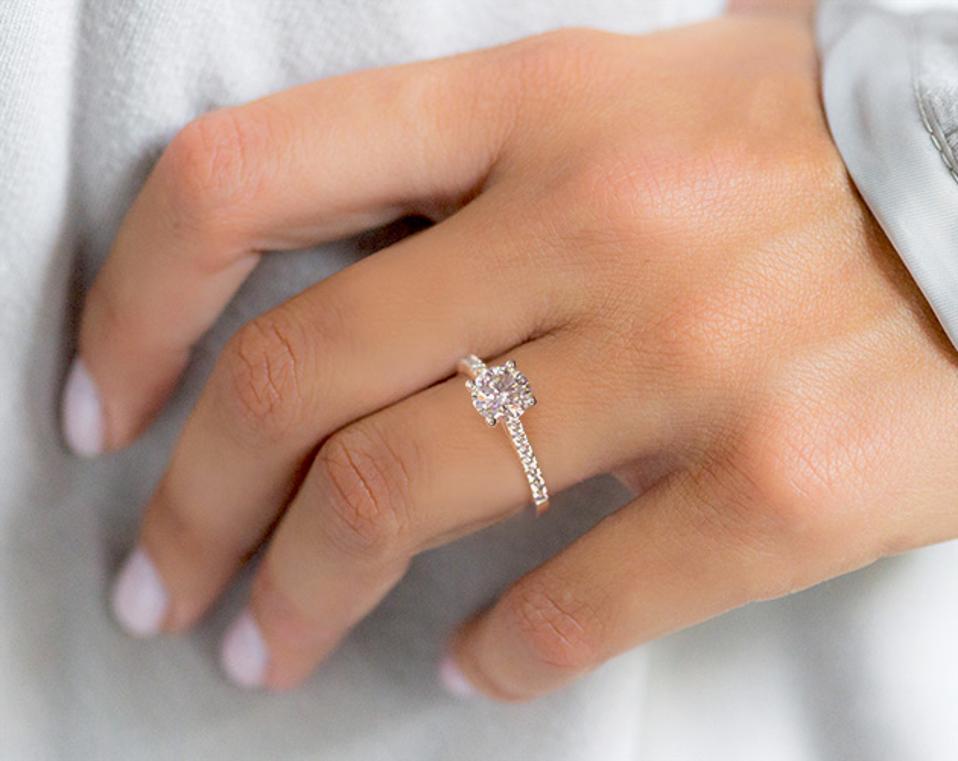
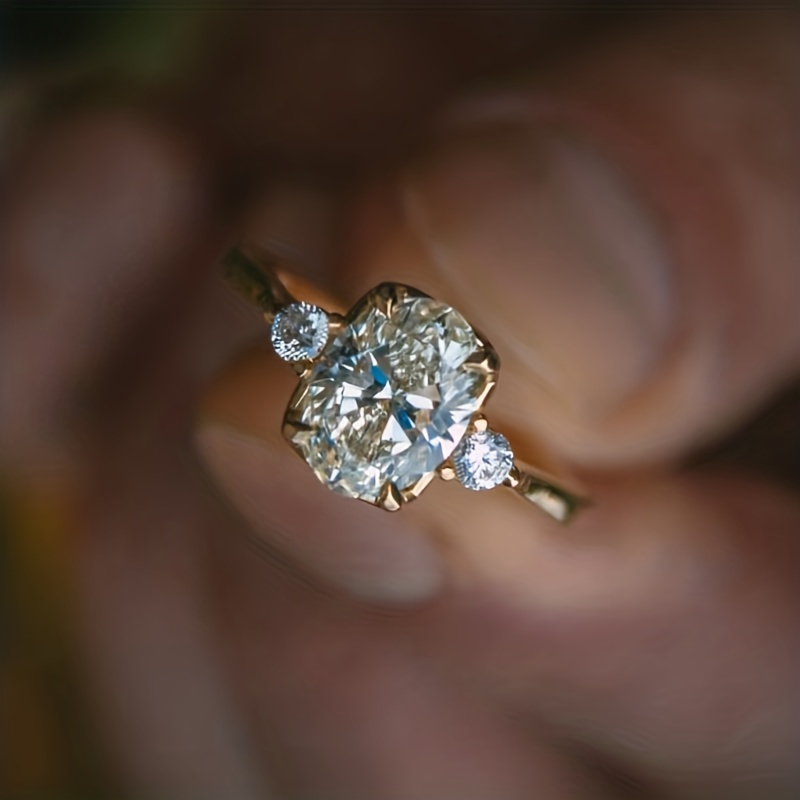
Both diamonds and moissanites are renowned for their brilliance. However, moissanites tend to exhibit a different kind of sparkle due to their higher refractive index. While diamonds reflect light in a traditional way, moissanites often display a more colorful and intense sparkle.
Color and Clarity
Diamonds come in a range of colors, from colorless to shades of yellow and brown. Moissanites, on the other hand, are generally closer to colorless, which can make them appear more brilliant. In terms of clarity, both stones can be found in high-quality, eye-clean versions, but moissanites are typically less likely to have visible inclusions.
Comparing Fire and Dispersion
The term “fire” refers to the dispersion of light into colors. Moissanites have a higher dispersion rate than diamonds, which means they can exhibit more colorful flashes of light. This effect can be striking, but it also gives moissanites a distinctive look compared to the more classic diamond sparkle.
Comparison of Durability
Hardness and Scratch Resistance
Diamonds are known for their unparalleled hardness, ranking 10 on the Mohs scale. This makes them extremely resistant to scratching. Moissanites also score highly on the Mohs scale, around 9.25, which means they are very durable but slightly less hard than diamonds.
Impact and Pressure Resistance
Both diamonds and moissanites are quite resistant to impact and pressure. However, diamonds are more likely to chip or crack if struck with force due to their cleavage planes. Moissanites, being a bit less hard, may not have the same risk of chipping.
Cost and Value
Price Per Carat
One of the most significant differences between diamonds and moissanites is their price. Moissanites are generally much more affordable than diamonds. This price difference can be attributed to their lab-grown nature and the lower cost of production.
Long-Term Value
While diamonds hold significant value due to their rarity and historical importance, moissanites offer a more budget-friendly option. However, diamonds often have better long-term value, especially if they are of high quality and have been certified by reputable gemological institutes.
Ethical Considerations
Environmental Impact
The environmental impact of diamond mining is a major concern, as it involves extensive land disruption and resource consumption. Moissanites, being lab-created, have a lower environmental footprint and are considered a more eco-friendly option.
Conflict-Free Status
Conflict diamonds, or “blood diamonds,” are a serious issue in the diamond industry. Moissanites, being synthetic, are inherently conflict-free, offering a more ethical choice for consumers concerned about the origins of their gemstones.
Care and Maintenance
Cleaning and Storage
Both diamonds and moissanites require regular cleaning to maintain their sparkle. Diamonds can be cleaned with a simple solution of warm water and mild soap, while moissanites may require occasional professional cleaning to ensure their brilliance is maintained.
Repair and Longevity
Diamonds are highly durable and less likely to require repair. Moissanites are also durable but might need occasional adjustments if set in certain types of jewelry. Both gems can last a lifetime with proper care.
Choosing Between Diamonds and Moissanites
Personal Preferences and Lifestyle
Choosing between a diamond and a moissanite often comes down to personal preference. Some people prefer the traditional allure of diamonds, while others are drawn to the vibrant sparkle and affordability of moissanites. Consider your lifestyle, style, and budget when making a decision.
Occasions and Uses
Diamonds are often chosen for special occasions such as engagements and anniversaries, where their historical significance and classic appeal come into play. Moissanites are a great choice for those looking for a stunning gemstone without the high price tag, making them ideal for various types of jewelry.
Conclusion
In the battle of diamond vs moissanites, there is no one-size-fits-all answer. Diamonds offer timeless elegance and value, while moissanites provide a beautiful, cost-effective alternative. Understanding the characteristics of each gem can help you make an informed decision based on your personal preferences and needs. Whether you choose the classic diamond or the sparkling moissanite, both gems have their unique charm and value