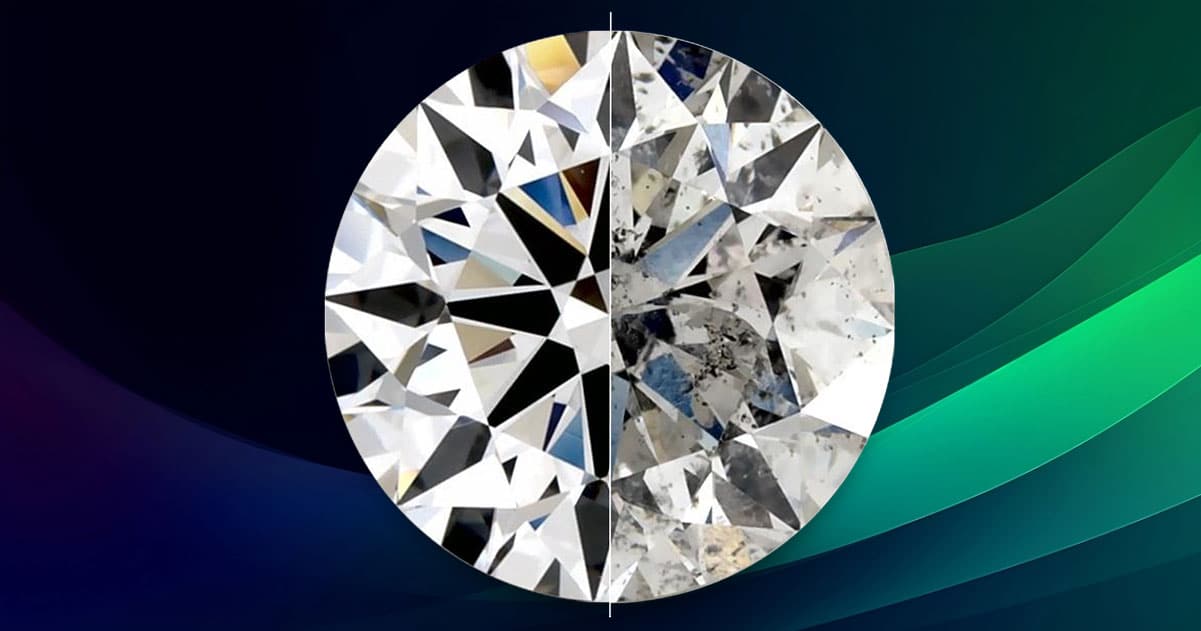

So, here’s a thought. You’re shopping for a diamond. You’ve done your homework, scrolled through endless Instagram ads, maybe even peeked into a jewelry store. Then—boom—you realize there are all these certificates. IGI. GIA. And suddenly you’re in a rabbit hole of gem jargon.
And if you’re already leaning toward lab diamonds (good choice, by the way), the IGI vs GIA debate gets even louder. Which one’s “better”? Which one makes your diamond more valuable, or at least more legit? Let’s unpack this without sounding like a geology textbook.
Diamonds That Tell a Story (Not Just Sparkle)
Think about it. The last time someone showed you a ring, did you ask for the certificate? Probably not. You asked about the proposal, the story, the moment.
But still—certificates matter. They’re the receipts of the diamond world. Proof that your stone is what the jeweler says it is. And honestly, they’re not all created equal.
The GIA (Gemological Institute of America) is basically the old-school professor. Super respected. A little strict. Kinda intimidating.
IGI (International Gemological Institute), on the other hand, is like the younger cousin who’s suddenly become super popular at parties—especially with lab diamonds. More approachable, faster turnaround, and often what you’ll actually see when you buy online.
So here’s the thing: both play a role. But depending on your priorities, you might lean one way or the other.
The Choices (And Why They Matter)
Let’s break it down in plain English.
-
Reputation
- GIA is the “gold standard” for natural diamonds. Jewelers love flashing that logo.
- IGI has gained major traction with lab diamonds. They were quicker to embrace the trend when GIA was still warming up to it.
-
Consistency
- GIA grades are known for being stricter. If they say your diamond is VS1 clarity, you can bank on it.
- IGI sometimes gets a side-eye for being a little more lenient. But to be fair, they’ve tightened up in recent years.
-
Price Impact
- A GIA-graded lab diamond might cost a little more, just because of the name.
- IGI stones are often priced more competitively. Same sparkle, less cash. Not a bad deal if you’re practical.
-
Availability
- Shop online, and you’ll see IGI certificates everywhere.
- Walk into a luxury boutique? You’ll probably bump into GIA reports.
It really comes down to personality. Do you want the strict teacher’s approval, or are you cool with the popular cousin who gets you a better deal?
Why Lab Diamonds Are Changing the Game
Here’s the fun part. A decade ago, this IGI vs GIA talk wouldn’t even exist for most buyers. Lab diamonds weren’t mainstream. Now? They’re everywhere.
And let’s be honest, people love them because:
- They’re way more affordable (sometimes 40–70% less than natural diamonds).
- They’re ethical—no shady mining stories to keep you up at night.
- They look identical to mined diamonds. Seriously. You couldn’t tell the difference unless you had lab equipment.
That’s why IGI jumped in early and said, “Yep, we’ll certify those.” GIA followed, but IGI became the go-to name for lab-grown certificates almost by default.
So depending on where you’re shopping, IGI might actually be the smarter move.
The Process (Without the Boring Bits)
Okay, let’s say you’re about to buy a lab diamond. What should you expect when it comes to certification? Here’s the simple version:
- The Stone Gets Sent to the Lab
A jeweler (or supplier) ships the diamond to IGI or GIA. Think of it like sending your kid to school to get graded. - The Grading Party
Experts check the Four Cs: cut, color, clarity, carat. Plus, they confirm if it’s lab-grown or natural. - The Report
You get a certificate—digital or paper—that lays it all out. This is what you’ll want to keep for resale or insurance. - You Get the Sparkle
At the end of the day, you don’t wear the certificate. You wear the diamond. But knowing it’s graded by IGI or GIA gives you peace of mind.
And a quick tip: if you’re not sure, ask your jeweler why they use one lab over the other. A good jeweler won’t mind explaining.
So… IGI vs GIA for Lab Diamonds?
Here’s my honest take. If you want prestige and resale clout, go with GIA. If you want a great lab diamond at a better price (and with a certificate that most buyers totally accept), IGI is perfectly fine.
Most couples buying lab diamonds today aren’t worried about impressing the snootiest gemologist in the room. They want sparkle, ethics, and value. And IGI has been riding that wave from the start.
At the end of the day, both IGI and GIA will confirm your stone is real, graded, and lab-grown. The rest? That’s personal choice.
So, whether you’re team IGI or team GIA, remember this: the story behind the diamond—the proposal, the laugh, the tears—that’s the part people actually care about.