
Introduction to Lab Grown Diamonds
When it comes to diamonds, the traditional image that pops into our minds is often one of luxury and exclusivity. However, the landscape of diamond sourcing is evolving, and lab grown diamonds are leading this change. These gems, which are cultivated in controlled environments, are not just a trend but a revolution in the diamond industry. But what exactly are lab grown diamonds, and why should they matter to you?
What Are Lab Grown Diamonds?
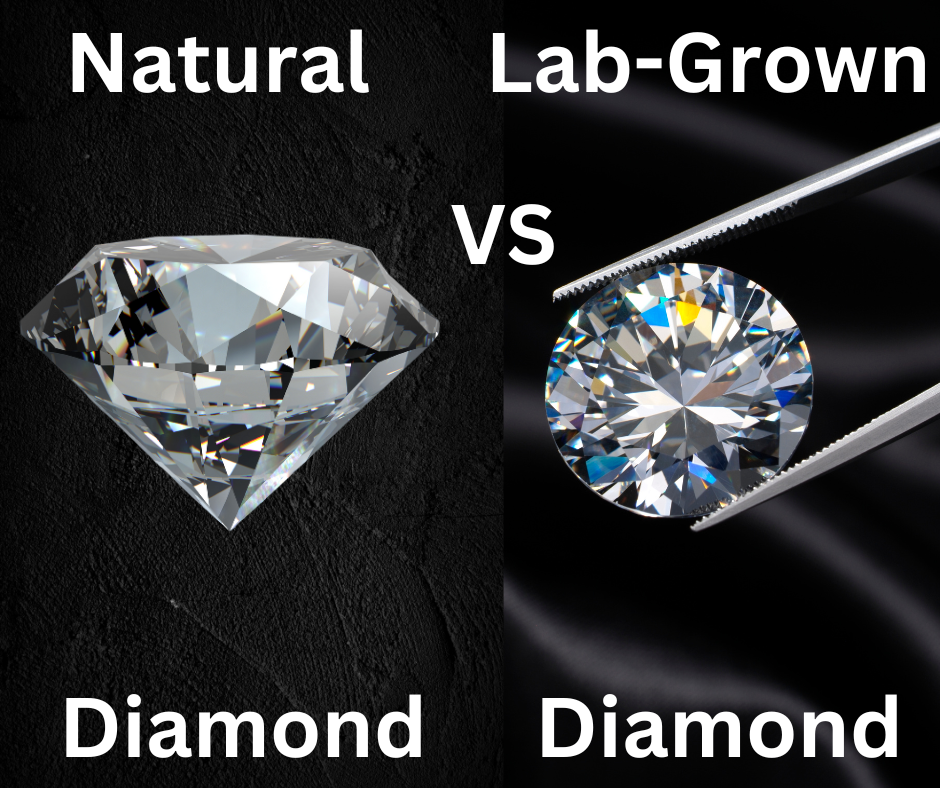
Lab grown diamonds, as the name suggests, are diamonds created in a laboratory rather than being mined from the Earth. They are chemically, physically, and optically identical to natural diamonds. So, if you’re imagining a shiny rock that’s different from the diamonds you see in traditional stores, think again. These diamonds are real diamonds, just with a backstory that involves a bit more science and a lot less environmental disruption.
How Are Lab Grown Diamonds Made?
The process of creating lab grown diamonds involves two primary methods: High Pressure High Temperature (HPHT) and Chemical Vapor Deposition (CVD). HPHT mimics the natural conditions under which diamonds form, using extreme pressure and heat. On the other hand, CVD involves depositing carbon atoms onto a substrate, gradually building up the diamond. Both methods result in beautiful, durable diamonds that are indistinguishable from their mined counterparts.
The Growing Popularity of Lab Grown Diamonds
Lab grown diamonds have been gaining traction for several reasons, and their appeal extends far beyond just their ethical implications.
Benefits of Lab Grown Diamonds
Let’s break down why lab grown diamonds are becoming the go-to choice for many.
Environmental Impact
One of the biggest selling points for lab grown diamonds is their reduced environmental impact. Traditional diamond mining can be incredibly damaging to ecosystems, involving significant land disruption and pollution. Lab grown diamonds, however, are created with a fraction of the environmental footprint. This makes them an attractive choice for eco-conscious consumers.
Cost-Effectiveness
Cost is another significant factor. Lab grown diamonds typically cost 20-40% less than natural diamonds of comparable size and quality. This price difference can mean more sparkle for your buck or the opportunity to invest in a larger gem without breaking the bank.
Market Trends in the UK
The UK market for lab grown diamonds is expanding rapidly. As more consumers become aware of the benefits, demand is increasing. Retailers are responding to this shift by offering a wider range of lab grown options, and even high-end brands are beginning to incorporate these diamonds into their collections.
Wholesale Market for Lab Grown Diamonds in the UK
If you’re in the jewelry business or simply looking to purchase lab made diamonds in bulk, understanding the wholesale market in the UK is essential.
Who Are the Key Players?
The wholesale market is diverse, with numerous key players involved. Major suppliers include established jewelry brands, specialized diamond producers, and even online platforms that connect buyers with manufacturers. Knowing who the leading suppliers are can help you navigate the market more effectively.
How to Find Reliable Wholesale Suppliers
Finding a trustworthy Wholesale Market supplier can be a bit like finding a needle in a haystack. Here are some tips to streamline the process.
Checking Credentials
Always verify the credentials of potential suppliers. Look for reviews, ask for references, and check their certifications. A reputable supplier will be transparent about their processes and happy to provide information about their diamonds.
Understanding Terms and Conditions
Before making a purchase, make sure you fully understand the terms and conditions. This includes return policies, warranty details, and any other contractual obligations. It’s better to clarify these points upfront to avoid surprises later on.
Pricing and Negotiation Tips
Negotiating the price can be crucial when dealing with wholesale transactions. Start by understanding the current market rates and be prepared to discuss bulk pricing. Don’t be afraid to negotiate, especially if you’re placing a large order.
Applications of Lab Grown Diamonds
Lab grown diamonds are versatile and can be used in various applications, from exquisite jewelry pieces to industrial tools.
Jewelry
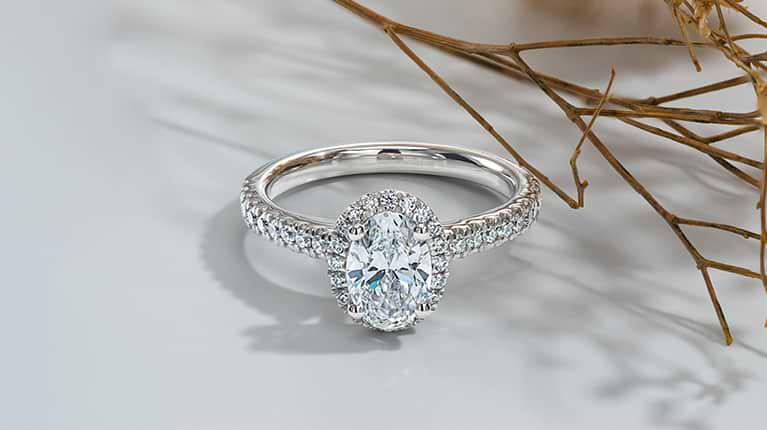
Lab grown diamonds are particularly popular in the jewelry sector. Their affordability and ethical credentials make them an appealing choice for engagement rings, necklaces, and other fine jewelry.
Engagement Rings
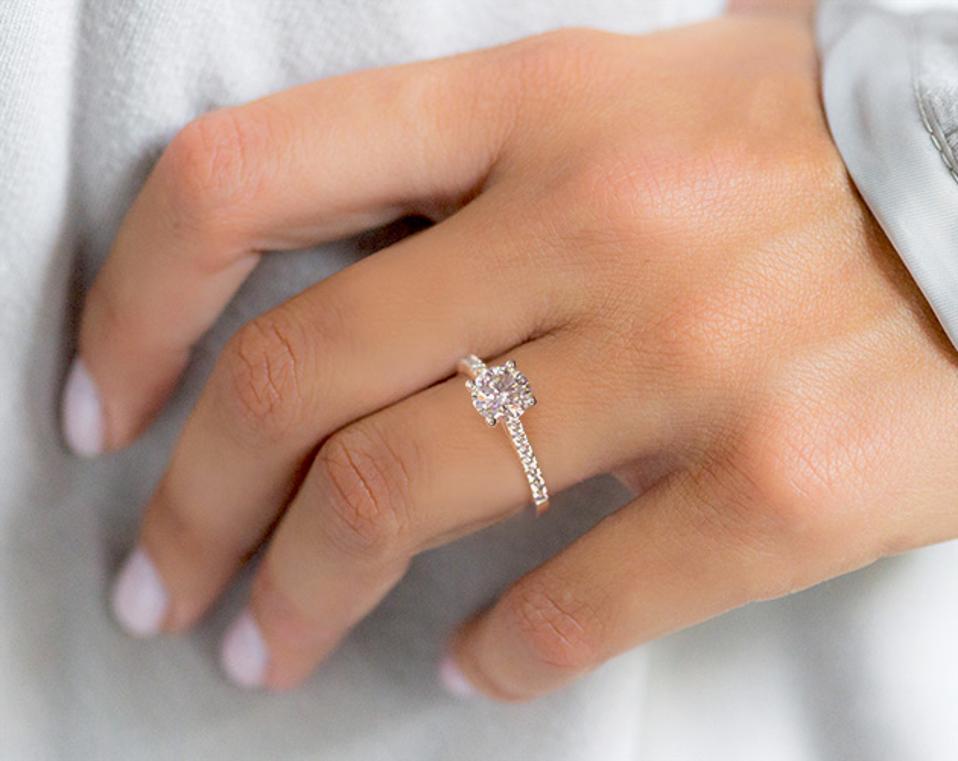
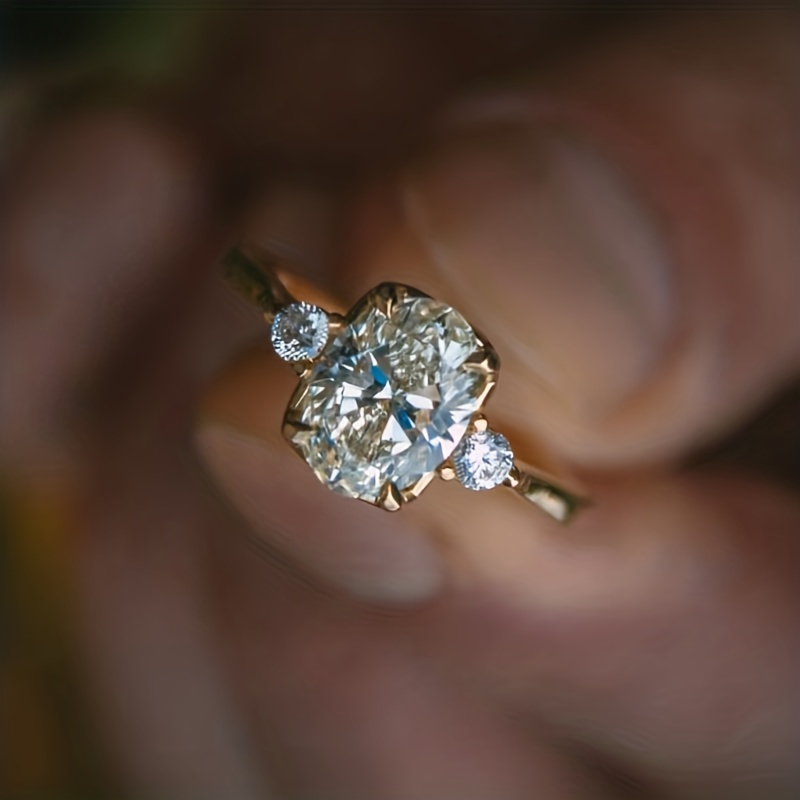
The engagement ring market is one of the largest segments for lab grown diamonds. Couples are increasingly opting for these stones due to their ethical sourcing and cost advantages.
Fashion Pieces
Beyond engagement rings, lab grown diamonds are making waves in fashion jewelry. Their dazzling appearance complements a wide range of designs, from classic to contemporary.
Industrial Uses
Lab grown diamonds aren’t just for adornment. They also have practical applications in industry. Their hardness makes them ideal for cutting tools, abrasives, and other high-performance equipment.
Challenges and Considerations
Despite their many benefits, lab grown diamonds come with their own set of challenges.
Consumer Perceptions
Some consumers still prefer natural diamonds due to their traditional allure and perceived value. Educating the public about the benefits and authenticity of lab grown diamonds is key to overcoming these perceptions.
Regulatory Issues
Regulations surrounding lab grown diamonds can vary by region. It’s important to stay informed about legal requirements and industry standards to ensure compliance and avoid potential issues.
The Future of Lab Grown Diamonds
The future looks bright for lab grown diamonds, with ongoing advancements and evolving market trends.
Technological Advancements
Technology continues to advance, making lab grown diamonds more accessible and affordable. Innovations in production techniques and materials will likely further enhance their appeal.
Market Predictions
As awareness grows and technology improves, the market for lab grown diamonds is expected to expand. This could lead to even more competitive pricing and a broader range of options for consumers.
Conclusion
Lab grown diamonds represent a significant shift in the jewelry industry, offering an ethical, cost-effective, and environmentally friendly alternative to traditional diamonds. As the market continues to grow, both consumers and businesses stand to benefit from these sparkling innovations. Whether you’re in the market for a stunning engagement ring or looking to source diamonds for your business, understanding the wholesale landscape in the UK can help you make informed and savvy decisions. Embrace the future of diamonds and discover how lab grown options can add brilliance to your life while making a positive impact on the world.