Then someone mentioned platinum, and the conversation shifted. Slowed down. Became thoughtful.
That moment stuck with me. Because choosing an engagement ring isn’t just a purchase — it’s a decision wrapped up in values, identity, and a strange mix of romance and logic. And lately, I’ve noticed more Australians leaning toward platinum engagement rings, not because they’re flashy, but because they quietly make sense.
If you’re ring-shopping right now (or just ring-curious, which is honestly half the fun), here’s what you should know — the real, lived-in version, not the brochure copy.
Why platinum keeps coming up in engagement conversations
Platinum has always had a reputation for being “the good stuff”. Rare. Strong. Heavy in the hand. But what surprised me when I started digging into it properly was why people actually choose it.
Platinum isn’t just a status symbol. It’s practical. In a long-term, quietly reassuring way.
Unlike gold alloys, platinum is naturally white. That means it doesn’t rely on rhodium plating to maintain its colour. Over time, white gold needs re-plating to stay bright. Platinum doesn’t. It develops a soft patina instead — a lived-in sheen many people genuinely love.
I once spoke to a jeweller in Melbourne who said something that stuck:
“Platinum ages the way a good marriage should — not by wearing away, but by gaining character.”
Cheesy? Maybe. But also… kind of true.
Durability matters more than people realise
Engagement rings aren’t worn once a year. They’re worn every day — to work, to the gym, while cooking dinner, while chasing kids or running for the tram.
Platinum is denser than gold, which makes it incredibly durable. When it scratches, the metal tends to move rather than wear away. Over decades, that means the ring retains more of its mass.
That’s not just romantic talk — it’s physics.
For people with active lifestyles (which, let’s be honest, is most Australians), this matters. A lot. Especially if the ring holds a diamond you plan to pass down one day.
The quiet elegance of platinum settings
Platinum doesn’t shout. It doesn’t try to steal attention from the stone. And that’s exactly why it works so well.
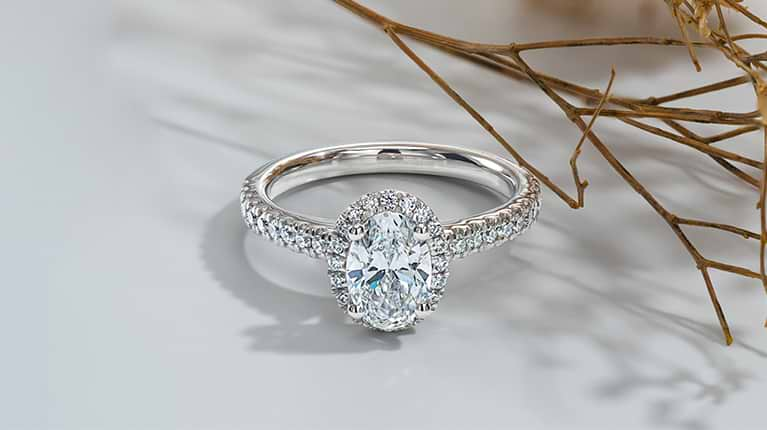
The metal’s neutral tone enhances a diamond’s brightness without adding warmth or colour interference. For anyone who cares about stone quality — clarity, cut, light performance — platinum is often the best stage for the main act.
This is particularly noticeable with modern designs. Clean lines. Minimal claws. Subtle detailing. Platinum lets craftsmanship shine without distraction.
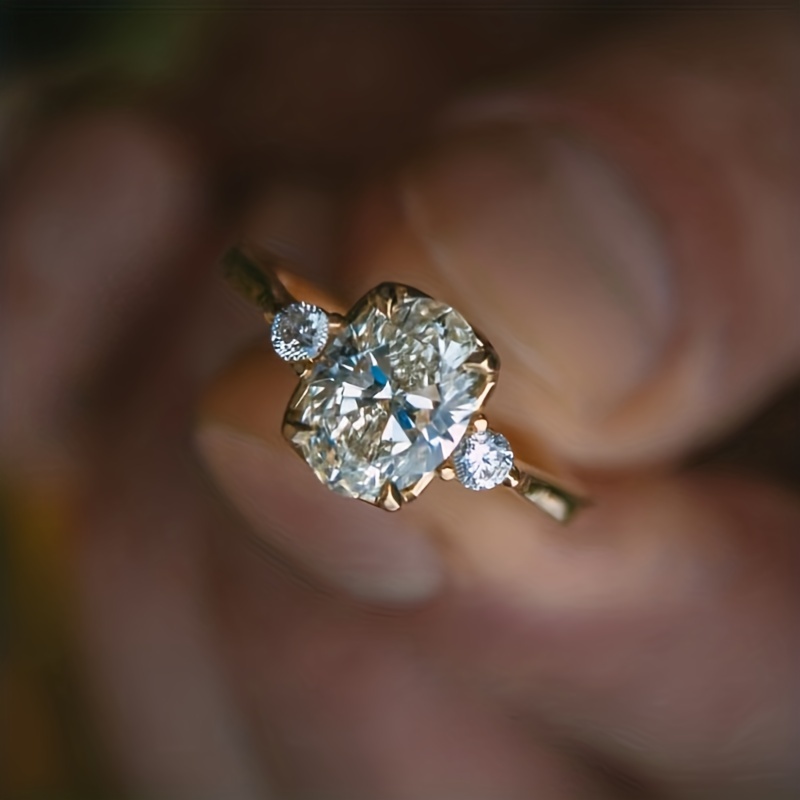
I’ve seen vintage-inspired rings look romantic in platinum, and ultra-modern designs feel almost architectural. It adapts. Effortlessly.
A shift in how Australians think about diamonds
Now, here’s where things get interesting.
Ten years ago, most engagement ring conversations followed a familiar script: mined diamond, traditional jeweller, predictable design. These days? Not so much.
There’s been a clear shift toward lab grown diamonds, and it’s not just about cost — though yes, affordability plays a role.
People are asking better questions. About ethics. About sustainability. About whether tradition actually aligns with their values.
Lab grown diamonds are chemically and visually identical to mined diamonds. They’re not simulants. They’re not “fake”. They’re diamonds — grown using advanced technology rather than extracted from the earth.
And honestly, I was surprised by how many couples felt relieved discovering this option. Less guilt. More transparency. Same sparkle.
If you want a deeper dive into how couples are incorporating lab grown diamonds into meaningful celebrations, there’s a thoughtful piece worth reading here:
lab grown diamonds
It’s not preachy. Just practical and refreshingly human.
Why platinum and lab grown diamonds pair so well
There’s something poetic about combining one of the world’s most durable metals with a diamond created through innovation rather than extraction.
Platinum offers longevity. Lab grown diamonds offer modern values. Together, they create a ring that feels very now — without chasing trends.
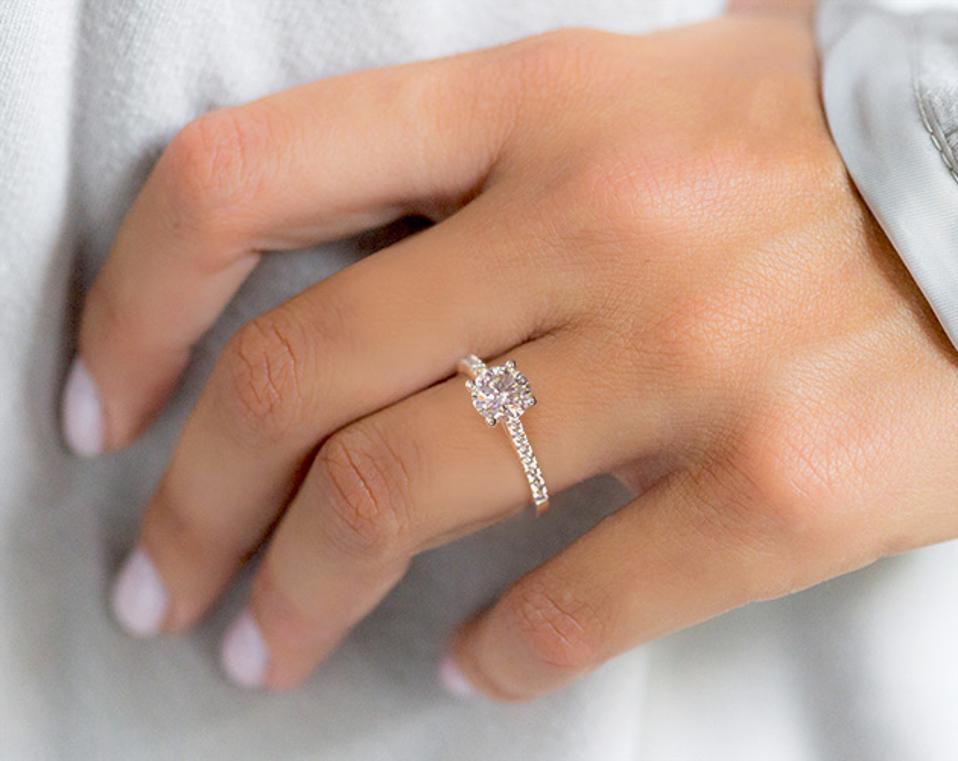
From a design perspective, platinum’s strength allows for finer settings. Delicate claws that securely hold stones. Slim bands that still feel solid. That means more light hitting the diamond, more sparkle, less bulk.
From a lifestyle perspective, it’s a low-maintenance, high-reward combination.
No constant re-plating. No worrying about ethical grey areas. Just a ring that quietly does its job — and does it beautifully.
The price conversation (let’s be honest about it)
Platinum is more expensive than gold. There’s no point pretending otherwise.
But here’s where context matters.
Platinum engagement rings often cost more upfront, but they can cost less over time. Fewer repairs. Less maintenance. More longevity.
Pairing platinum with lab grown diamonds can also balance the budget in a way that feels intentional rather than compromised.
I’ve spoken to couples who chose this route and said it felt like they were spending smarter, not just spending less.
And that mindset shift? It’s becoming more common.
Australian buying habits are changing
Local jewellers have noticed it. Online retailers have noticed it. Couples are walking in better informed and more confident about what they want.
They’re not just asking, “How much is it?”
They’re asking, “Where did this come from?”
“How long will it last?”
“What does this say about us?”
And platinum keeps being part of that answer.
For anyone wanting to explore design options that combine modern ethics with timeless craftsmanship, this collection of platinum engagement rings is a solid place to start. It doesn’t feel salesy. Just well-curated and informative.
Style trends come and go — platinum stays steady
Fashion cycles are ruthless. One year it’s halo settings everywhere. Next year it’s all about solitaires again. Metal trends swing too — yellow gold resurges, rose gold peaks, then fades.
Platinum sits outside that chaos.
It’s been used in fine jewellery for over a century, favoured during Art Deco eras and embraced again in modern minimalism. It doesn’t chase relevance. It is relevant.
That’s probably why so many people say their platinum ring still feels right ten or twenty years later.
No regrets. No “what was I thinking?” moments.
Caring for a platinum ring (spoiler: it’s easy)
One myth worth clearing up — platinum isn’t maintenance-free, but it’s close.
Over time, it develops a patina. Some people adore this soft, matte look. Others prefer a high polish. Both are valid.
A professional polish can restore shine if you want it, but there’s no urgency. No peeling plating. No sudden colour changes.
Clean it occasionally with warm water, mild soap, and a soft brush. That’s it.
Honestly, it’s one of the least demanding luxury items you’ll ever own.
Emotional value matters more than specs
It’s easy to get lost in technical details — metal density, diamond grading, price comparisons.
But when I ask people why they love their platinum engagement ring, the answers are rarely technical.
“It feels solid.”
“It still looks good after all these years.”
“It suits my hands.”
“It feels like us.”
That last one matters most.
An engagement ring isn’t about impressing strangers. It’s about choosing something that quietly supports a promise.
Platinum does that well. Without fuss.
A final thought, from one observer to another
If you’re standing at the start of this journey, overwhelmed by options and opinions, here’s my honest advice:
Slow down.
Try rings on. Feel their weight. Ask uncomfortable questions. Don’t rush toward tradition just because it’s familiar.
Platinum engagement rings aren’t for everyone — and that’s okay. But for many Australians, they strike a rare balance between beauty, durability, ethics, and understated confidence.
And when paired with lab grown diamonds, they tell a story that feels grounded in both love and logic.